
Introduction
Email etiquette is the foundation of professional digital communication, helping individuals maintain clarity, respect, and effectiveness in every message they send. In today’s fast-paced world, email etiquette ensures that your emails are not only read but also understood and responded to appropriately. Without proper email etiquette, misunderstandings can easily occur, leading to confusion or even damaged professional relationships. That is why mastering email etiquette is essential for students, employees, freelancers, and business owners alike. By following structured email etiquette practices, you create a positive impression and improve your communication success rate significantly. Good email etiquette also reflects your professionalism and attention to detail in every interaction.
The Importance of Email Etiquette in Professional Life
Email etiquette plays a crucial role in shaping how others perceive you in a professional environment, as it directly reflects your communication skills and discipline. When you consistently follow email etiquette, you demonstrate respect for the recipient’s time and attention, which strengthens workplace relationships. Poor email etiquette, on the other hand, can lead to confusion, delays, or even conflicts in communication. Organizations often judge employees based on their email etiquette because it represents their ability to communicate effectively. Therefore, learning email etiquette is not optional but necessary for career growth and success in any field.
Structuring Emails Properly Using Email Etiquette Principles
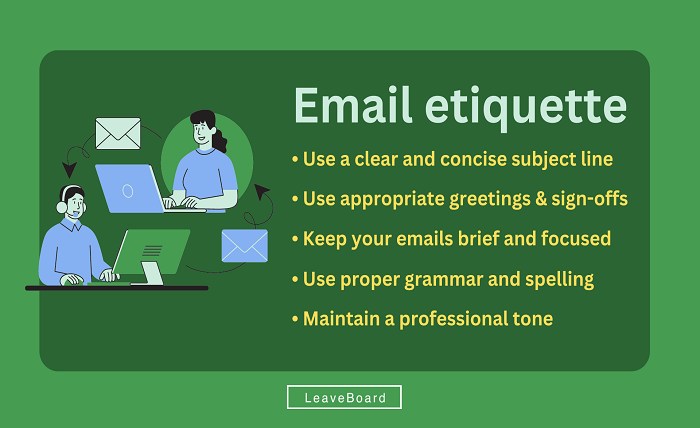
Email etiquette emphasizes the importance of structuring your emails in a clear and organized manner so that the recipient can easily understand your message. A well-structured email etiquette approach includes a proper subject line, greeting, body content, and closing statement. Without proper structure in email etiquette, your message may appear unprofessional or difficult to read. Using paragraphs, bullet points, and concise language is a key part of strong email etiquette. This ensures that your communication is both efficient and effective, especially in busy professional environments where clarity is essential.
Choosing the Right Tone in Email Etiquette for Better Communication
Email etiquette teaches that tone is one of the most important elements in written communication because it shapes how your message is perceived. A polite and respectful tone in email etiquette helps build trust and avoids misunderstandings between sender and receiver. Using overly casual or harsh language goes against proper email etiquette and can harm professional relationships. Instead, email etiquette encourages a balanced tone that is neither too formal nor too informal depending on the context. Mastering tone in email etiquette ensures that your message is received positively and professionally every time.
Common Mistakes to Avoid in Email Etiquette Practices
Email etiquette also involves being aware of common mistakes that people often make while writing emails. One major mistake in email etiquette is forgetting to proofread, which can lead to spelling or grammar errors that reduce credibility. Another mistake in email etiquette is using unclear subject lines that do not reflect the content of the message. Attaching large files without warning is also considered poor email etiquette as it may inconvenience the recipient. By avoiding these mistakes, you strengthen your email etiquette skills and improve your overall communication quality.
Email Etiquette for Subject Lines and Clear Messaging
Email etiquette strongly emphasizes the importance of writing clear and meaningful subject lines that summarize the purpose of your email. A well-written subject line in email etiquette helps the recipient understand the urgency and topic before opening the message. Vague or missing subject lines are considered unprofessional in email etiquette and may lead to your email being ignored. Additionally, email etiquette encourages keeping the main message concise and focused to ensure better readability. Clear messaging is a core principle of email etiquette that enhances response rates and communication efficiency.
Email Etiquette in Replying and Timely Responses
One of the most important aspects of email etiquette is responding to emails in a timely and appropriate manner. Good email etiquette suggests replying within 24 to 48 hours whenever possible, especially in professional settings. Delayed responses without acknowledgment can be seen as poor email etiquette and may affect trust and workflow. Even a short acknowledgment email follows proper email etiquette and shows respect for the sender. By practicing timely responses, you demonstrate responsibility and professionalism through strong email etiquette habits.
Advanced Email Etiquette Tips for Professional Success
Advanced email etiquette goes beyond basic rules and focuses on optimizing communication for maximum effectiveness. This includes using professional signatures, proper formatting, and avoiding unnecessary jargon in email etiquette. Another advanced email etiquette tip is to personalize your emails to make them more engaging and relevant to the recipient. Additionally, email etiquette recommends double-checking attachments and links before sending to avoid errors. Mastering advanced email etiquette helps you stand out in professional communication and builds a strong reputation.
Conclusion
Email etiquette is an essential skill in both personal and professional communication that directly impacts how your messages are received and interpreted. By consistently practicing email etiquette, you improve clarity, professionalism, and responsiveness in every interaction. Whether you are a student, employee, or business professional, strong email etiquette helps you build better relationships and avoid misunderstandings. The more you apply email etiquette principles in daily communication, the more confident and effective you become. Ultimately, email etiquette is not just a set of rules but a valuable communication habit that leads to long-term success.
FAQs
1. Why is email etiquette important in professional communication?
Email etiquette is important because it ensures clear, respectful, and professional communication that helps avoid misunderstandings.
2. What are the key rules of email etiquette?
Email etiquette rules include using proper subject lines, maintaining a polite tone, and structuring messages clearly.
3. How does email etiquette improve workplace communication?
Email etiquette improves workplace communication by making messages easier to understand and ensuring timely, effective responses.
4. What mistakes should be avoided in email etiquette?
Common email etiquette mistakes include poor grammar, unclear subject lines, and delayed or missing responses.
5. Can email etiquette affect career growth?
Yes, strong email etiquette can positively impact career growth by improving professionalism and communication skills.