
Introduction
The har ghar bijli initiative is one of the most impactful development programs focused on ensuring electricity for every household in India. The vision of har ghar bijli is not only about lighting homes but also about empowering citizens through reliable energy access. Electricity is a basic necessity in modern life, and har ghar bijli plays a key role in bridging the gap between urban and rural development. With this mission, millions of households that once lived in darkness now have access to light, fans, and essential electrical appliances. The program symbolizes progress, equality, and national development under the broader goal of inclusive growth.
Meaning and Vision of Har Ghar Bijli
The concept of har ghar bijli literally translates to “electricity for every home,” and it represents a national commitment to universal electrification. The vision behind har ghar bijli is to ensure that no household remains without electricity, regardless of its location or economic status. This initiative focuses on sustainable and continuous power supply, which is essential for improving quality of life. Under har ghar bijli, the government aims to eliminate energy poverty and support long-term development goals. It also reflects a step toward modernization, where electricity becomes a fundamental right for every citizen.
The deeper vision of har ghar bijli includes social equality and economic empowerment. By providing electricity to every home, har ghar bijli ensures that rural and remote communities are not left behind. It creates opportunities for education, healthcare, and employment. The initiative also encourages the use of clean and efficient energy systems. Through har ghar bijli, the nation moves closer to achieving balanced regional development and reducing the urban-rural divide.
Furthermore, har ghar bijli promotes technological advancement and infrastructure growth. It supports the expansion of power grids, renewable energy projects, and smart distribution systems. This vision is not just about electricity but about building a stronger and more connected nation. The long-term goal of har ghar bijli is to ensure sustainable development for future generations.
Government Initiatives and Policies Behind Har Ghar Bijli
The success of har ghar bijli is driven by strong government initiatives and policy frameworks. Various schemes have been launched to support har ghar bijli, including rural electrification programs and subsidized connections for low-income families. These policies ensure that financial barriers do not prevent households from accessing electricity. The government’s commitment to har ghar bijli reflects its focus on inclusive development and social welfare.
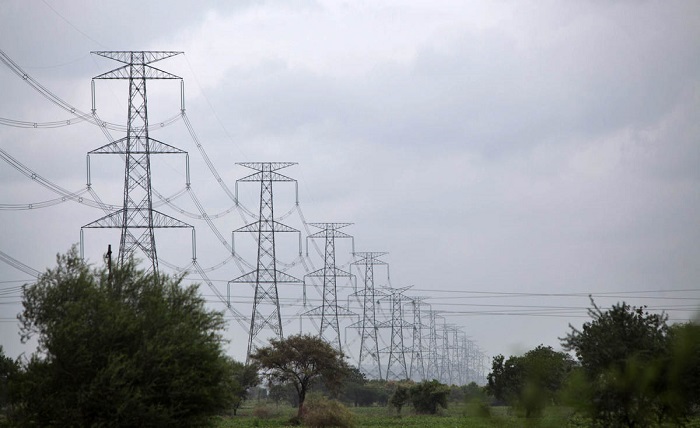
Under har ghar bijli, significant investments have been made in power infrastructure. New transmission lines, substations, and distribution networks have been developed to reach remote areas. The government has also collaborated with state electricity boards to accelerate har ghar bijli implementation. These efforts ensure that electricity reaches even the most inaccessible regions.
In addition, har ghar bijli policies include support for renewable energy integration. Solar power systems are being promoted in rural areas where grid connectivity is difficult. This ensures that har ghar bijli is not only widespread but also sustainable. The combination of policy support and technological innovation has made har ghar bijli a successful national mission.
Implementation and Infrastructure Development of Har Ghar Bijli
The implementation of har ghar bijli requires strong infrastructure development and coordination. Power generation, transmission, and distribution systems have been expanded significantly under har ghar bijli. New electrical grids are being constructed to connect rural villages and urban centers. This ensures uninterrupted power supply under the har ghar bijli program.
One of the major challenges in har ghar bijli implementation is reaching remote and geographically difficult regions. However, advanced engineering solutions and government support have helped overcome these challenges. Mobile substations, underground cables, and solar microgrids are part of the har ghar bijli infrastructure strategy. These innovations ensure reliability and efficiency.
The success of har ghar bijli also depends on skilled manpower and maintenance systems. Technicians and engineers are trained to handle electrical networks and ensure smooth operation. Regular monitoring and upgrades are part of the har ghar bijli system to prevent outages and improve service quality.
Impact of Har Ghar Bijli on Rural Development
The har ghar bijli initiative has had a transformative impact on rural development. Villages that once lacked electricity now enjoy improved living conditions under har ghar bijli. This has led to better lighting, increased productivity, and enhanced quality of life. Rural households can now use electrical appliances that save time and effort.
Education has also improved significantly due to har ghar bijli. Students in rural areas can study at night using electric lights, improving academic performance. Schools and educational centers benefit from har ghar bijli by using digital tools and modern teaching methods. This reduces the educational gap between urban and rural areas.
Healthcare services in rural regions have also improved due to har ghar bijli. Clinics and hospitals can operate essential medical equipment without interruption. Vaccines and medicines can be stored properly using refrigeration systems powered by har ghar bijli. This ensures better healthcare delivery in remote areas.
Economic Benefits of Har Ghar Bijli
The har ghar bijli program has created significant economic opportunities across the country. Small businesses in rural areas benefit from electricity provided under har ghar bijli. Shops, workshops, and agricultural activities have become more productive and efficient.
Agriculture, which is a major part of the economy, has also improved due to har ghar bijli. Farmers can use electric pumps for irrigation, reducing dependence on manual labor and diesel engines. This reduces costs and increases productivity under the har ghar bijli initiative.
Employment opportunities have also increased due to har ghar bijli. Infrastructure projects require labor, engineers, and technicians. Additionally, electricity access encourages new industries and startups in rural regions. This contributes to economic growth and poverty reduction.
Social and Educational Impact of Har Ghar Bijli
The har ghar bijli initiative has brought major social transformation. Access to electricity improves daily life by providing comfort, safety, and convenience. Families under har ghar bijli can use electronic devices for communication, entertainment, and information.
Education has seen a major boost due to har ghar bijli. Students can use computers, smartphones, and online learning platforms. This enhances digital literacy and prepares youth for modern job markets. The role of har ghar bijli in education is essential for national progress.
Social equality is another important outcome of har ghar bijli. It reduces inequality between urban and rural populations. Electricity access ensures that all citizens have equal opportunities for development. This strengthens national unity and social harmony.
Challenges and Future Outlook of Har Ghar Bijli
Despite its success, har ghar bijli faces several challenges. Some remote areas still struggle with stable electricity supply under har ghar bijli. Infrastructure maintenance and power theft are also issues that need attention.
Financial constraints and high implementation costs can slow down har ghar bijli expansion. Additionally, ensuring renewable and sustainable energy sources is a continuous challenge. However, government efforts are addressing these issues through improved policies and technology.
The future of har ghar bijli looks promising with advancements in renewable energy and smart grids. Solar and wind energy integration will make har ghar bijli more sustainable. With continued investment and innovation, universal electricity access can be fully achieved.
Conclusion
The har ghar bijli initiative is a milestone in national development, ensuring that every household receives electricity. It has transformed rural life, boosted the economy, and improved education and healthcare. The success of har ghar bijli reflects strong governance and a commitment to inclusive growth. With continued progress, har ghar bijli will play a vital role in shaping a brighter and more developed future for the nation.
FAQs
1. What is the main goal of Har Ghar Bijli?
The main goal of har ghar bijli is to provide electricity to every household in India, ensuring universal access and development.
2. How does Har Ghar Bijli help rural areas?
har ghar bijli improves rural life by supporting education, healthcare, agriculture, and small businesses through electricity access.
3. Is Har Ghar Bijli a government program?
Yes, har ghar bijli is supported by government policies and schemes aimed at complete electrification of the country.
4. What are the challenges of Har Ghar Bijli?
Challenges of har ghar bijli include infrastructure maintenance, power distribution issues, and reaching remote areas.
5. What is the future of Har Ghar Bijli?
The future of har ghar bijli includes renewable energy integration, smart grids, and complete sustainable electrification.