
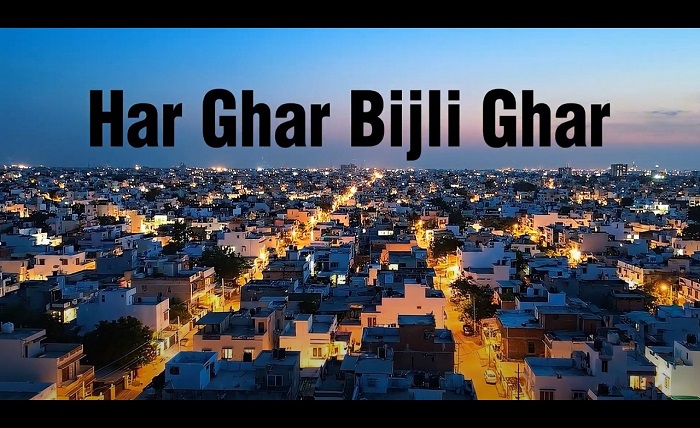
The har ghar bijli initiative represents India’s commitment to ensuring that every household has access to reliable electricity. The goal of har ghar bijli is not only to connect homes to the power grid but also to improve the quality of life for millions of people across rural and urban areas. Electricity has become a basic necessity in modern life, and the har ghar bijli mission aims to bridge the gap between communities that have access to power and those that do not.
Through the har ghar bijli program, families can enjoy better lighting, improved education opportunities, enhanced healthcare services, and increased economic activities. The initiative has become one of the most significant infrastructure development efforts in the country, bringing electricity to even the most remote villages.
The concept of har ghar bijli goes beyond simply installing electric connections. It focuses on ensuring that every citizen has the opportunity to benefit from modern energy services. This includes creating a sustainable and reliable power supply system that can meet growing demand while supporting national development goals.
The Importance of Har Ghar Bijli for Economic Development
The har ghar bijli initiative plays a critical role in driving economic development across India. Access to electricity enables businesses to operate efficiently, supports industrial growth, and creates employment opportunities. When communities receive electricity through har ghar bijli, local economies often experience rapid transformation.
Small businesses benefit significantly from har ghar bijli because electricity allows them to extend working hours, use modern equipment, and improve productivity. Shops, workshops, and service providers can serve more customers and generate higher income. As a result, the har ghar bijli program contributes to reducing poverty and improving living standards.
Agriculture is another sector that benefits from har ghar bijli. Farmers can use electric pumps for irrigation, operate machinery more efficiently, and reduce dependence on expensive fuel-based alternatives. By supporting agricultural productivity, har ghar bijli helps strengthen food security and rural prosperity.
The long-term economic impact of har ghar bijli extends to attracting investments and encouraging entrepreneurship. Reliable electricity infrastructure creates an environment where businesses can thrive, leading to sustained economic growth and development.
How Har Ghar Bijli Improves Education
One of the most significant benefits of har ghar bijli is its positive impact on education. Students who have access to electricity can study after sunset, use digital learning tools, and access educational resources online. The availability of electricity through har ghar bijli creates a more supportive learning environment for children and young adults.
Schools also benefit from har ghar bijli because electricity enables the use of computers, projectors, and other educational technologies. Teachers can deliver lessons more effectively, while students gain access to interactive learning experiences that improve educational outcomes.
The har ghar bijli initiative helps reduce educational inequality by ensuring that students in rural areas have access to the same resources as those in urban centers. This increased access to technology and information can significantly improve academic performance and future career opportunities.
Furthermore, har ghar bijli supports adult education and skill development programs. Community centers and training facilities can operate more efficiently, helping individuals acquire new skills and improve their employability.
The Role of Har Ghar Bijli in Healthcare
Healthcare services have improved dramatically in areas benefiting from har ghar bijli. Reliable electricity is essential for operating medical equipment, storing vaccines, and providing emergency care. The har ghar bijli initiative helps healthcare facilities deliver better services and improve patient outcomes.
Hospitals and clinics connected through har ghar bijli can maintain refrigeration systems for medicines and vaccines, ensuring that critical healthcare supplies remain effective. Medical professionals can perform procedures safely and efficiently with access to proper lighting and equipment.
The impact of har ghar bijli extends beyond healthcare facilities. Families with electricity can access health information through television, radio, and the internet. This increased awareness helps communities make informed decisions about health and wellness.
Telemedicine services have also become more accessible due to har ghar bijli. Patients in remote areas can connect with healthcare specialists, reducing travel time and improving access to quality medical care. As a result, har ghar bijli contributes significantly to public health improvements.
Challenges Faced by the Har Ghar Bijli Initiative
Despite its success, the har ghar bijli initiative faces several challenges. Providing electricity to remote and geographically difficult regions requires substantial investment and infrastructure development. The implementation of har ghar bijli often involves overcoming logistical and technical obstacles.
Maintaining a reliable power supply remains a challenge in some areas. While har ghar bijli has successfully connected many households, ensuring consistent electricity availability requires ongoing upgrades to transmission and distribution systems. Power outages and infrastructure limitations can affect the overall effectiveness of the initiative.
Financial sustainability is another concern for har ghar bijli. Expanding and maintaining electricity networks requires significant resources, and balancing affordability with operational costs can be complex. Policymakers must develop strategies to ensure that har ghar bijli remains accessible while supporting the long-term viability of the power sector.
Environmental considerations are also important for har ghar bijli. As electricity demand grows, there is a need to increase renewable energy generation and improve energy efficiency. Sustainable development practices can help ensure that har ghar bijli supports both economic growth and environmental protection.
The Impact of Har Ghar Bijli on Rural Communities
The har ghar bijli initiative has transformed rural communities by providing access to essential energy services. Electricity enables households to use appliances, access information, and improve overall quality of life. The introduction of har ghar bijli often marks a significant turning point in community development.
Women in rural areas particularly benefit from har ghar bijli. Access to electricity reduces the burden of household tasks, improves safety, and creates opportunities for income-generating activities. Many women have started small businesses and home-based enterprises thanks to the support provided by har ghar bijli.
The availability of electricity through har ghar bijli also enhances communication and connectivity. Residents can use mobile phones, access the internet, and stay informed about important developments. This increased connectivity helps rural communities participate more actively in economic and social activities.
Community development projects often gain momentum after the introduction of har ghar bijli. Improved infrastructure, better public services, and increased investment contribute to sustainable growth and prosperity in rural regions.
The Future of Har Ghar Bijli in India
The future of har ghar bijli is closely linked to technological innovation and sustainable energy development. As India continues to modernize its energy infrastructure, the har ghar bijli initiative is expected to evolve and expand its impact.
Renewable energy sources such as solar and wind power will play an increasingly important role in supporting har ghar bijli. Integrating clean energy technologies can help meet growing electricity demand while reducing environmental impact. Smart grids and advanced energy management systems will further improve the efficiency and reliability of har ghar bijli.
Digital technologies will also enhance the effectiveness of har ghar bijli. Smart meters, real-time monitoring systems, and data-driven decision-making can optimize energy distribution and improve customer service. These innovations will help ensure that har ghar bijli continues to deliver reliable electricity to households across the country.
As the nation progresses, har ghar bijli will remain a cornerstone of development efforts. Continued investment, policy support, and technological advancement will strengthen the initiative and create new opportunities for millions of people.
Conclusion
The har ghar bijli initiative has become a powerful force for social and economic transformation in India. By providing universal access to electricity, har ghar bijli improves education, healthcare, business opportunities, and overall quality of life. The program has already made significant progress in connecting households and empowering communities.
While challenges remain, the future of har ghar bijli looks promising. Continued focus on infrastructure development, renewable energy integration, and technological innovation will ensure that har ghar bijli continues to support national growth and development. As more households gain access to reliable electricity, the benefits of har ghar bijli will be felt across generations.
FAQs
1. What is har ghar bijli?
Har ghar bijli is an initiative aimed at providing electricity connections to every household and ensuring access to reliable power.
2. Why is har ghar bijli important?
Har ghar bijli is important because it improves education, healthcare, economic opportunities, and overall living standards.
3. How does har ghar bijli benefit rural areas?
Har ghar bijli benefits rural areas by improving access to information, supporting agriculture, enabling businesses, and enhancing quality of life.
4. What challenges does har ghar bijli face?
The har ghar bijli initiative faces challenges such as infrastructure development, reliable power supply, financial sustainability, and environmental concerns.
5. What is the future of har ghar bijli?
The future of har ghar bijli includes greater use of renewable energy, smart grid technologies, and improved electricity distribution systems to ensure sustainable growth.