
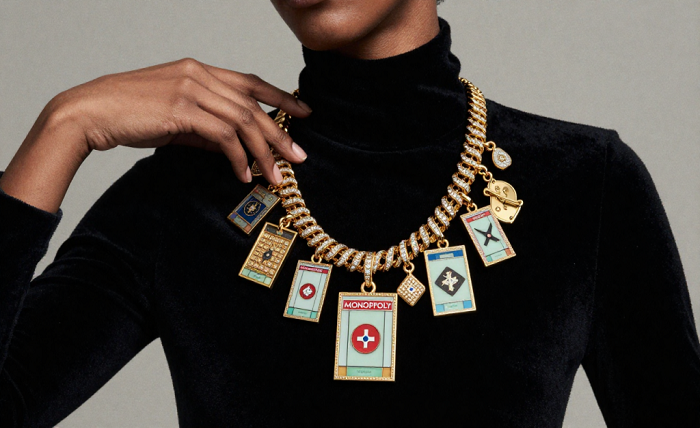
Monopoly jewelry has become a popular term among jewelry enthusiasts, collectors, and fashion-conscious consumers seeking unique and luxurious accessories. The concept of monopoly jewelry often refers to exclusive jewelry collections, premium designs, or brands that dominate a specific niche within the jewelry industry. Whether crafted from gold, silver, platinum, or adorned with precious gemstones, monopoly jewelry represents quality, prestige, and individuality.
The growing popularity of monopoly jewelry stems from consumers’ desire to own pieces that stand out from mass-produced accessories. Unlike ordinary jewelry, monopoly jewelry often features exceptional craftsmanship, limited production runs, and innovative designs. These characteristics make monopoly jewelry highly desirable among those who value exclusivity and elegance.
In today’s competitive luxury market, monopoly jewelry continues to attract attention because it combines artistry with long-term value. From statement necklaces to custom engagement rings, monopoly jewelry offers something special for every occasion.
The History and Evolution of Monopoly Jewelry
The origins of monopoly jewelry can be traced back to ancient civilizations where jewelry symbolized wealth, status, and power. Throughout history, rulers and aristocrats commissioned exclusive pieces that could be considered early examples of monopoly jewelry due to their rarity and uniqueness.
During the Renaissance period, skilled artisans created intricate masterpieces for royal families. These exclusive creations laid the foundation for what modern consumers recognize as monopoly jewelry. Over time, advancements in gemstone cutting, metalworking, and design techniques elevated the standards of luxury jewelry.
The twentieth century witnessed the emergence of renowned jewelry houses that established strong market positions. These brands became synonymous with excellence, helping define the concept of monopoly jewelry in contemporary fashion. Today, technology and customization options have expanded the reach of monopoly jewelry, allowing more consumers to access unique and personalized pieces.
As trends continue to evolve, monopoly jewelry remains a symbol of prestige and sophistication. Modern designers blend traditional craftsmanship with innovative concepts to create collections that appeal to diverse audiences worldwide.
Why Monopoly Jewelry Is So Popular Today
One of the primary reasons monopoly jewelry has gained widespread popularity is its ability to provide exclusivity. Consumers are increasingly looking for accessories that reflect their personality and distinguish them from others. Monopoly jewelry fulfills this need by offering distinctive designs and limited-edition collections.
Another factor driving the popularity of monopoly jewelry is its association with luxury and status. Wearing monopoly jewelry often conveys confidence, success, and refined taste. Whether at formal events or casual gatherings, these pieces can elevate any outfit and make a lasting impression.
Social media has also played a significant role in promoting monopoly jewelry. Influencers, celebrities, and fashion bloggers frequently showcase stunning jewelry collections, inspiring followers to invest in high-quality accessories. As a result, awareness and demand for monopoly jewelry continue to grow.
Additionally, many consumers appreciate the craftsmanship involved in creating monopoly jewelry. The attention to detail, premium materials, and artistic creativity contribute to the overall appeal of these remarkable pieces.
Types of Monopoly Jewelry Available in the Market
The world of monopoly jewelry includes a wide variety of styles and categories designed to suit different preferences and occasions. One popular category is fine jewelry, which often features precious metals and gemstones. Fine monopoly jewelry includes diamond rings, sapphire necklaces, emerald earrings, and luxury bracelets.
Custom jewelry represents another important segment of monopoly jewelry. These personalized pieces allow customers to collaborate with designers to create unique accessories tailored to their preferences. Custom monopoly jewelry often holds sentimental value and becomes a cherished family heirloom.
Fashion jewelry also contributes to the popularity of monopoly jewelry. Although typically more affordable than fine jewelry, fashion-focused monopoly jewelry emphasizes creativity, trendsetting designs, and artistic expression. These pieces are ideal for individuals seeking stylish accessories without significant financial investment.
Vintage and antique collections further enrich the monopoly jewelry market. Many collectors pursue rare and historically significant pieces because they offer both aesthetic beauty and potential appreciation in value over time.
How to Choose the Best Monopoly Jewelry
Selecting the right monopoly jewelry requires careful consideration of several factors. First, buyers should evaluate the quality of materials used in the jewelry. High-quality monopoly jewelry typically features durable metals such as gold, platinum, or sterling silver combined with authentic gemstones.
Design preferences also play a crucial role when choosing monopoly jewelry. Some individuals prefer classic and timeless styles, while others gravitate toward contemporary and bold designs. Understanding personal taste helps ensure satisfaction with the chosen piece.
Budget considerations are equally important when purchasing monopoly jewelry. While luxury pieces can command premium prices, many options are available across different price ranges. Setting a budget allows buyers to focus on monopoly jewelry that aligns with their financial goals.
Certification and authenticity should never be overlooked. Reputable sellers provide documentation verifying the quality and origin of gemstones and precious metals. This transparency increases confidence when investing in monopoly jewelry and protects buyers from counterfeit products.
Finally, considering lifestyle needs can help determine the most practical monopoly jewelry choices. Everyday wear may require durable designs, while special occasions might call for more elaborate and eye-catching pieces.
Monopoly Jewelry as an Investment
Beyond its aesthetic appeal, monopoly jewelry is increasingly recognized as a valuable investment. Many luxury jewelry pieces retain or even increase their value over time, particularly those featuring rare gemstones and exceptional craftsmanship.
Investors often view monopoly jewelry as a tangible asset that can provide diversification within a broader financial portfolio. Unlike some investments that exist solely in digital or paper form, monopoly jewelry offers physical ownership and personal enjoyment.
Market demand significantly influences the investment potential of monopoly jewelry. Limited-edition collections, designer collaborations, and rare gemstones frequently experience increased appreciation due to scarcity. Collectors actively seek these items, driving their market value higher.
Another advantage of investing in monopoly jewelry is its portability. High-value pieces can be stored securely and transported relatively easily compared to larger tangible assets. This convenience contributes to the enduring appeal of monopoly jewelry among investors.
However, successful investment in monopoly jewelry requires research and patience. Understanding market trends, gemstone quality, and brand reputation can help investors make informed decisions and maximize long-term returns.
Latest Trends Shaping Monopoly Jewelry
The monopoly jewelry industry continuously evolves in response to changing consumer preferences and technological advancements. One major trend is sustainability. Environmentally conscious consumers increasingly seek monopoly jewelry created using ethically sourced materials and responsible production practices.
Customization is another growing trend in monopoly jewelry. Modern buyers appreciate the opportunity to personalize jewelry with unique engravings, gemstone selections, and bespoke designs. This level of personalization enhances emotional connections to each piece.
Minimalist aesthetics have also influenced contemporary monopoly jewelry collections. Simple yet elegant designs appeal to consumers seeking versatile accessories suitable for both professional and casual settings. These understated pieces demonstrate that monopoly jewelry can be sophisticated without being overly elaborate.
Technology continues to reshape the future of monopoly jewelry. Advanced design software, 3D printing, and virtual consultations allow designers to create innovative products while improving customer experiences. These technological developments are making monopoly jewelry more accessible and customizable than ever before.
Colored gemstones are experiencing renewed popularity within the monopoly jewelry market as well. Consumers increasingly embrace vibrant sapphires, rubies, emeralds, and other gemstones to express individuality and style.
Caring for Your Monopoly Jewelry
Proper maintenance is essential for preserving the beauty and value of monopoly jewelry. Regular cleaning helps remove dirt, oils, and residue that can diminish the appearance of precious metals and gemstones. Gentle cleaning solutions specifically designed for monopoly jewelry are recommended to prevent damage.
Storage practices also affect the longevity of monopoly jewelry. Keeping pieces in separate compartments or soft pouches helps prevent scratches and tangling. Proper storage ensures that monopoly jewelry remains in excellent condition for years to come.
Routine inspections are beneficial for identifying loose stones, worn settings, or other issues before they become serious problems. Professional jewelers can assess monopoly jewelry and perform necessary repairs to maintain structural integrity.
Avoiding exposure to harsh chemicals is another important aspect of caring for monopoly jewelry. Household cleaners, perfumes, and cosmetic products can negatively affect certain materials. Removing monopoly jewelry before engaging in activities involving chemicals helps preserve its appearance.
With proper care, monopoly jewelry can maintain its brilliance, functionality, and value for generations.
Conclusion
Monopoly jewelry represents far more than a fashionable accessory. It embodies craftsmanship, exclusivity, luxury, and investment potential. Whether purchased for personal enjoyment, special occasions, or long-term financial value, monopoly jewelry continues to captivate consumers worldwide. From fine jewelry and custom creations to sustainable and innovative designs, the world of monopoly jewelry offers endless opportunities to express individuality and sophistication. By understanding quality, trends, investment considerations, and proper care techniques, buyers can make informed decisions and fully appreciate the enduring appeal of monopoly jewelry.
FAQs
1. What is monopoly jewelry?
Monopoly jewelry generally refers to exclusive, premium-quality jewelry collections known for unique designs, luxury materials, and limited availability.
2. Is monopoly jewelry a good investment?
Yes, monopoly jewelry can be a valuable investment, especially when it includes rare gemstones, high-quality craftsmanship, and strong brand recognition.
3. How can I verify the authenticity of monopoly jewelry?
Authentic monopoly jewelry should come with certifications, quality documentation, and verification from reputable jewelers or gemological organizations.
4. What materials are commonly used in monopoly jewelry?
Monopoly jewelry often features gold, platinum, sterling silver, diamonds, sapphires, emeralds, rubies, and other precious gemstones.
5. How should I care for monopoly jewelry?
To maintain monopoly jewelry, clean it regularly, store it properly, avoid harsh chemicals, and schedule professional inspections when necessary.